
Wall panels are no longer used simply as decorative finishes. In 2026, commercial projects increasingly expect wall surfaces to combine visual appeal, functional performance, installation efficiency, and long-term value.
Warm wood tones, fluted and slatted profiles, acoustic solutions, waterproof materials and large-format designs are shaping current interior projects. At the same time, architects, contractors and distributors are paying closer attention to fire performance, moisture resistance, indoor air quality, sustainability credentials and supplier reliability.
When you choosing a wall panel is therefore about more than selecting a color or pattern. The right solution depends on the material, application, performance requirements, installation system and project specifications.
This guide explores the major wall panel trends in 2026, compares key materials and explains what commercial buyers should consider before placing an order.
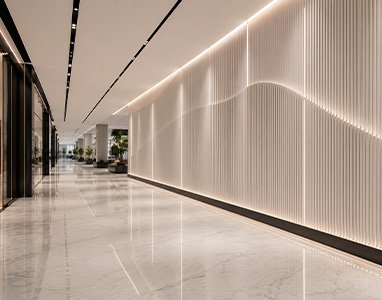
1. Warm Natural Wood Tones Are Defining Commercial Interiors
Cool gray interiors are giving way to warmer, more tactile environments. Natural wood tones such as oak, walnut, teak and warm brown finishes are increasingly used to create comfortable and sophisticated commercial spaces.
The appeal is not limited to real wood. Modern wooden wall panels and wood-look WPC panels can provide natural grain patterns, textured surfaces and matte finishes while offering different levels of durability, maintenance and customization.
This trend works particularly well in:
- Hotel lobbies and reception areas
- Executive offices
- Restaurants and hospitality spaces
- Retail stores and showrooms
- Residential development projects
- Feature walls and branded interiors
For large commercial projects, appearance consistency is particularly important. Buyers should consider whether a supplier can maintain consistent colors, textures and dimensions across production batches.
Key takeaway: Natural-looking surfaces are becoming an important part of commercial interior design, but material selection should balance aesthetics with the performance requirements of the project.
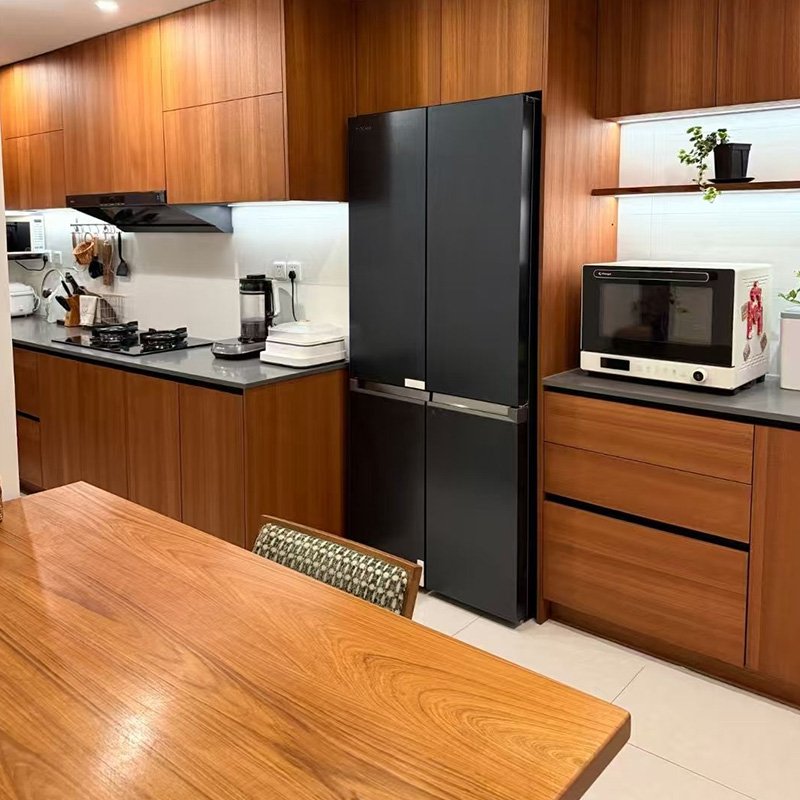
2. Fluted, Slatted and 3D Wall Panels Continue to Grow
Dimensional wall surfaces remain one of the strongest design directions in 2026.
Fluted wall panels, slat wall panels and 3D wall panels create depth through shadows, lines and geometric patterns. Compared with flat wall finishes, they can make feature walls more visually distinctive without relying on complex decorative elements.
Current design directions include:
- Fine-pitch fluting
- Vertical slatted profiles
- Ribbed and reeded surfaces
- Geometric 3D patterns
- Deeper embossed textures
- Wider slat profiles
- Mixed-material feature walls
Vertical profiles are especially useful for creating a stronger sense of height, while geometric textures can help define reception areas, retail displays and hospitality interiors.
These panels are commonly considered for:
- Hotel corridors and lobbies
- Corporate offices
- Reception areas
- Retail flagship stores
- Restaurants
- Showrooms
- TV and feature walls
- Room dividers
For B2B projects, design is only one consideration. Profile consistency, panel dimensions, surface finish, installation method and repeat-order consistency can all affect the final result.
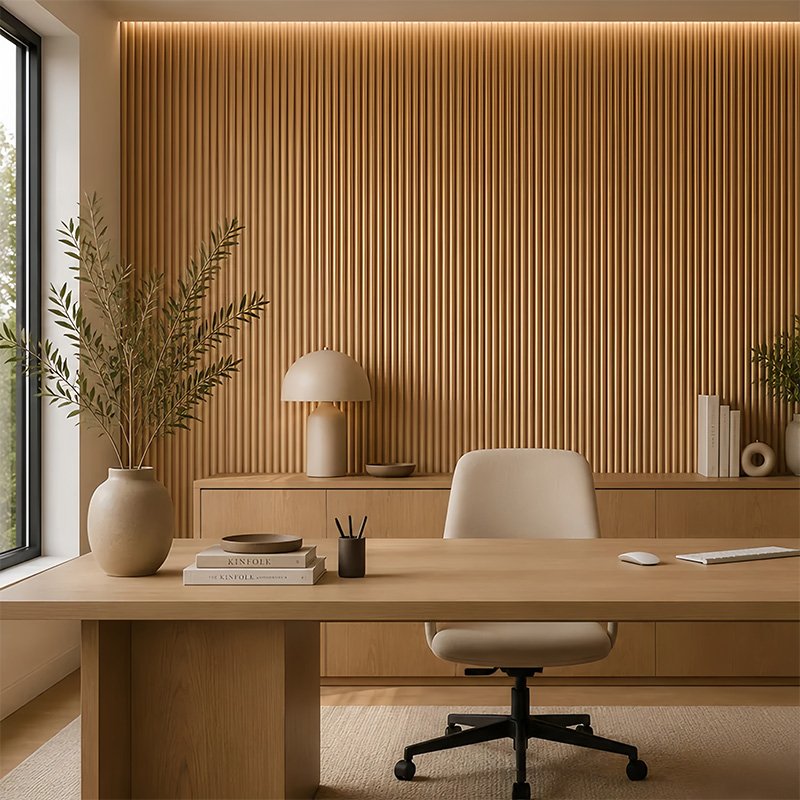
3. Function Design of Acoustic Wall Panels
Acoustic treatment is increasingly becoming part of the architectural design rather than something added after the interior has been completed.
As acoustic wall panels, particularly wood slat systems combined with acoustic backing, can provide a decorative wall surface while helping manage sound reflections.
This makes them particularly relevant to:
- Open-plan offices
- Conference rooms
- Boardrooms
- Co-working spaces
- Hotel reception areas
- Restaurants
- Meeting and presentation rooms
The acoustic performance of a panel depends on its construction, including the surface profile, backing material, spacing and installation system. For this reason, buyers should not select a product based only on general claims such as “soundproof” or “acoustic.”
For commercial projects, it is better to request third-party acoustic test data, such as an NRC rating where applicable, and confirm that the test relates to the actual product configuration.
This distinction matters because the performance of a complete wall system can differ from that of an individual panel tested under laboratory conditions.
Key takeaway: The future of acoustic wall panels is not simply better sound absorption. It is the integration of acoustic performance into an attractive architectural surface.
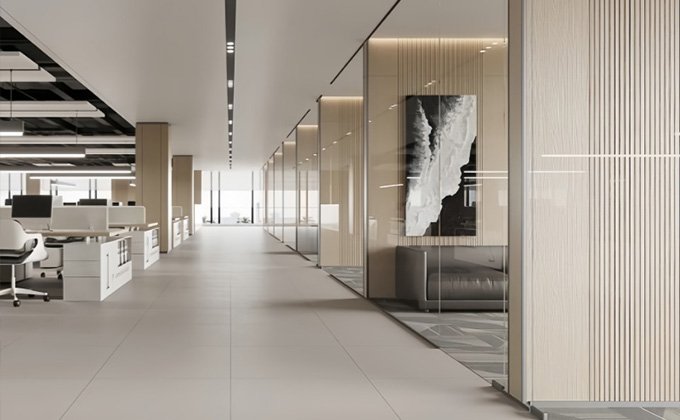
4. Waterproof Wall Panels Are Expanding Beyond Traditional Wet Areas
Moisture-resistant wall systems are becoming increasingly attractive for projects where conventional wall finishes can create installation or maintenance challenges.
SPC wall panels and suitable WPC wall panels are being considered for bathrooms, hospitality projects, kitchens and other high-humidity environments.
Typical applications include:
- Hotel bathrooms
- Shower and wet areas
- Healthcare facilities
- Kitchens and utility areas
- Apartment renovations
- Commercial refurbishment projects
SPC is particularly attractive where water resistance is a major requirement because of its rigid composite construction. WPC products can also provide strong moisture resistance, but performance varies significantly depending on the core structure, surface treatment and construction.
For this reason, B2B buyers should avoid treating every WPC panel as automatically waterproof.
Before specifying a product for a wet area, check:
- Water absorption data
- Core construction
- Surface treatment
- Joint system
- Edge sealing requirements
- Installation instructions
- Relevant test reports
The installation system is just as important as the panel itself. Even a moisture-resistant panel can experience problems if joints, penetrations or exposed edges are not properly handled.
5. Large-Format Wall Panels Create Cleaner Visuals
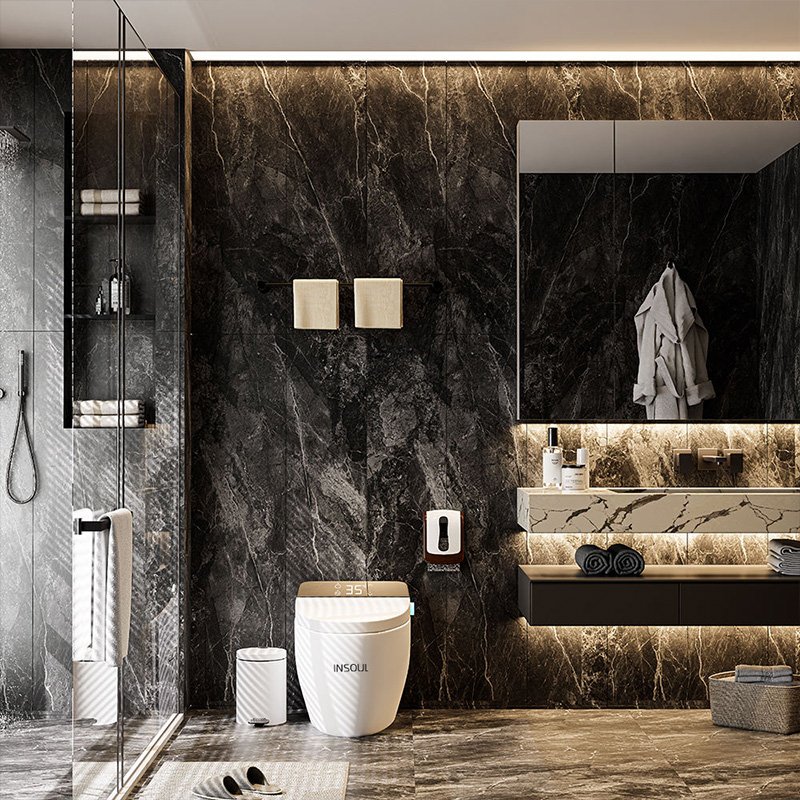
Large-format wall panels are another important direction for premium commercial interiors.
Using larger panels can reduce the number of visible joints and create a more continuous appearance across a wall. This is particularly useful for large feature walls, hotel interiors, retail spaces and other projects where visual continuity is important.
Potential advantages include:
- Fewer visible joints
- Cleaner architectural appearance
- More continuous patterns
- Efficient coverage of large surfaces
- Stronger impact on feature walls
However, large panels also introduce practical considerations.
Before selecting a large-format wall panel, buyers and contractors should evaluate:
- Panel dimensions
- Weight and handling requirements
- Substrate flatness
- Installation system
- Packaging
- Container loading
- Transportation and storage
- Expansion and movement requirements
A larger panel is not automatically a better or cheaper solution. The appropriate size depends on the project, installation conditions and logistics.
6. Sustainability Is Becoming a Procurement Consideration
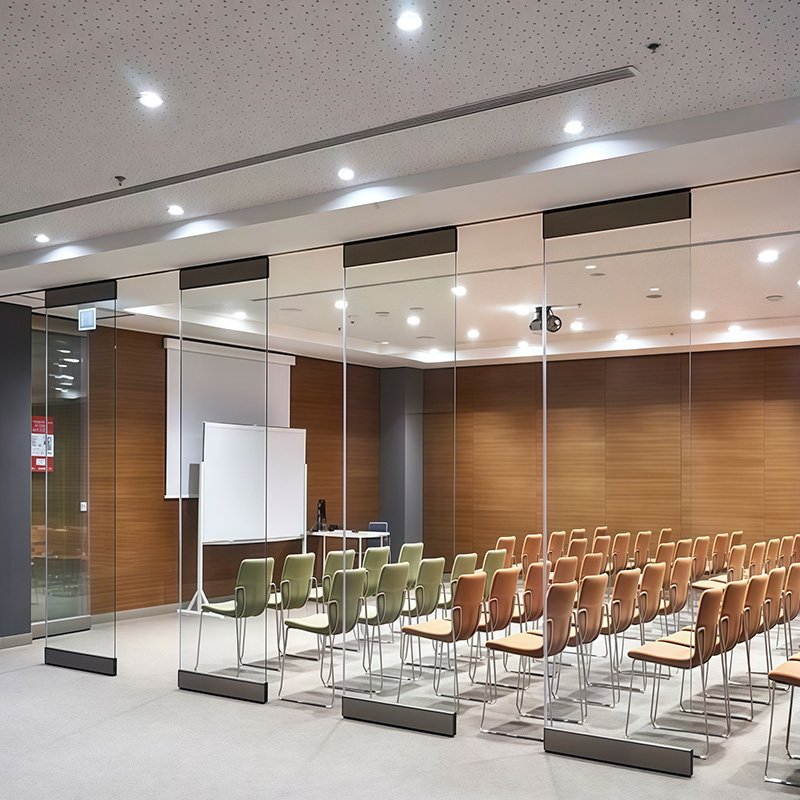
Sustainability is moving beyond a simple marketing message. For many commercial projects, buyers increasingly need documentation to support environmental and indoor-air-quality requirements.
Depending on the project and market, buyers may consider:
- Recycled content
- Low-VOC formulations
- Responsible wood sourcing
- EPDs
- FSC or PEFC certification
- GRS certification
- Product lifespan
- Maintenance requirements
The important point is verification.
A supplier describing a product as “eco-friendly” does not necessarily provide the same level of evidence as an independently verified certification.
Commercial buyers should check:
- Whether the certificate is issued by a recognized organization.
- Whether the certificate is still valid.
- Whether the certified product or material matches the product being purchased.
- Whether the certificate applies to the relevant market or project.
- Whether the supplier can provide supporting technical documentation.
Sustainability requirements will vary by project, country and certification system, so buyers should always confirm the actual specification rather than assuming one certification applies universally.
Choosing the Right Wall Panel Material for a Commercial Project
Different wall panel materials solve different project requirements. There is no single material that is best for every application.
| Material | Main Strength | Design Options | Moisture Resistance | Acoustic Potential | Typical Applications |
|---|---|---|---|---|---|
| Wooden Wall Panels | Natural appearance and premium feel | High | Product-dependent | High when combined with acoustic backing | Hotels, offices, reception areas, luxury interiors |
| WPC Wall Panels | Durability and design flexibility | High | High, depending on construction | Product-dependent | Commercial interiors, hotels, offices, feature walls |
| SPC Wall Panels | Rigid construction and moisture resistance | High | Very high, product-dependent | Limited unless specifically engineered | Bathrooms, wet areas, renovations |
| Acoustic Wall Panels | Sound absorption and decorative design | High | Product-dependent | Designed specifically for acoustic performance | Offices, conference rooms, hotels, restaurants |
The most appropriate choice depends on the project’s priorities.
For example, a luxury hotel lobby may prioritize natural appearance and acoustic comfort, while a hotel bathroom may place greater emphasis on moisture resistance and easy maintenance.
Where Are Wall Panels Being Used in 2026?
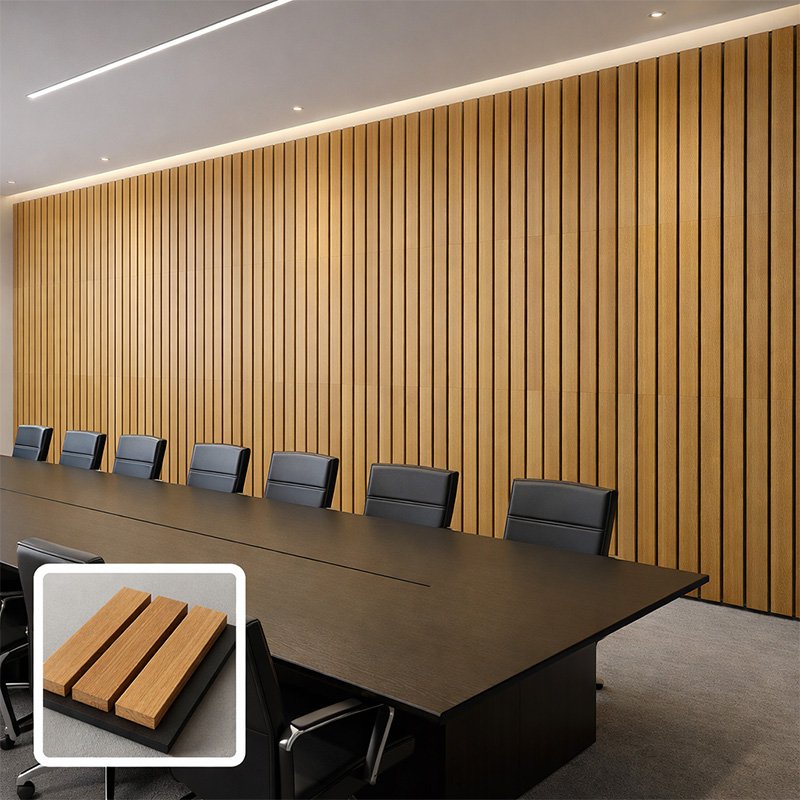
Commercial wall panels are being specified across a wide range of interior environments.
Hotels
Hotels often combine several wall panel solutions within the same project.
- WPC or wood-look panels: corridors, guest areas and feature walls
- SPC panels: bathrooms and selected wet areas
- Acoustic panels: lobbies, meeting spaces and restaurants
- Wooden panels: premium reception and executive areas
Consistency is especially important for hotel chains and large-scale renovations where hundreds of rooms may use the same finish.
Offices
Modern offices increasingly combine decorative and acoustic requirements.
Common applications include:
- Reception areas
- Conference rooms
- Boardrooms
- Executive offices
- Open-plan workspaces
Acoustic wall panels can help integrate sound management into the overall interior design.
Retail Stores & Showrooms
Retail environments rely heavily on visual presentation.
Large-format panels, 3D textures, fluted profiles and wood-look finishes can be used for:
- Feature walls
- Brand backgrounds
- Product displays
- Reception areas
- Fitting rooms
For multi-location retailers, color consistency and repeat-order capability are particularly important.
Restaurants & Hospitality
Restaurants need to balance atmosphere, maintenance and acoustic comfort.
Wall panels may be used for:
- Dining areas
- Private rooms
- Bars
- Feature walls
- Reception areas
Acoustic solutions can be particularly useful where controlling reverberation contributes to a more comfortable dining environment.
Healthcare & Public Buildings
Healthcare and public projects typically place greater emphasis on safety, hygiene, durability and indoor environmental requirements.
Depending on the specification, suitable wall systems may be considered for:
- Corridors
- Waiting areas
- Selected wet areas
- Meeting rooms
- Public spaces
Performance requirements should always be checked against the applicable local building codes and project specifications.
What Should I Check Before Ordering Wall Panels?
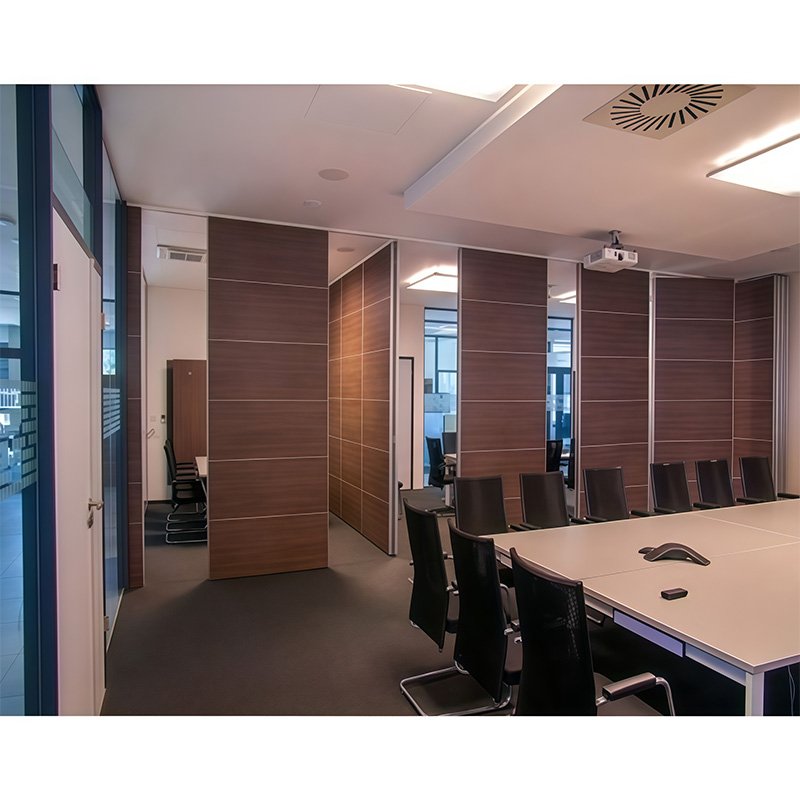
For distributors, contractors and project buyers, product selection is only one part of the sourcing process.
1. Product Performance
Ask for technical information covering the properties relevant to the application, such as:
- Fire performance
- Moisture resistance
- Acoustic performance
- Impact resistance
- Dimensional stability
- UV and color stability where relevant
For example, ASTM E84 is a test method for comparing surface flame-spread and smoke-development characteristics of building materials. It does not, by itself, classify a product as noncombustible or provide a complete fire-risk assessment.
This is why buyers should review the actual test report and project requirements rather than relying only on a product description.
2. Certifications and Test Reports
A professional supplier should be able to provide appropriate documentation for the target market and project.
Depending on the application, buyers may need to review:
- Fire-test reports
- VOC or indoor-air-quality documentation
- Acoustic test reports
- Water-resistance test data
- Environmental certifications
- Product technical data sheets
The critical point is to verify that the documentation corresponds to the actual product, thickness, construction and tested configuration.
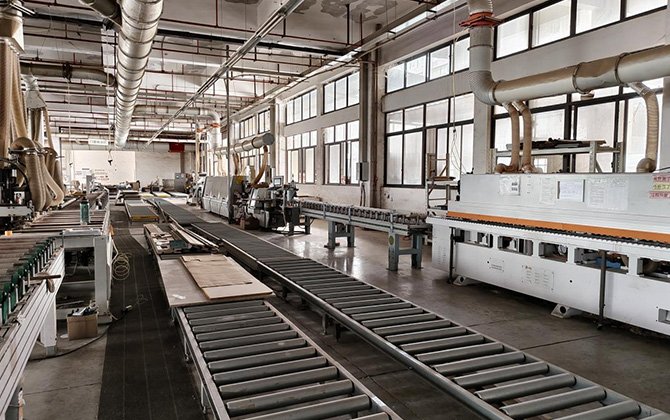
3. Manufacturing & Quality Control
For large B2B orders, production consistency can be just as important as the initial sample.
Consider asking about:
- Production capacity
- Quality-control procedures
- Dimensional tolerances
- Color consistency
- Batch control
- Pre-shipment inspection
- Packaging standards
A good sample does not automatically guarantee consistent mass production.
4. OEM & ODM Capability
For distributors, developers and branded projects, customization can be an important consideration.
Potential OEM/ODM requirements include:
- Custom colors
- Custom profiles
- Custom dimensions
- Surface finishes
- Packaging
- Private labeling
Before placing a custom order, clarify the MOQ, sample approval process, tooling requirements and mass-production lead time.
5. Supply Reliability
A competitive product is not enough if supply is inconsistent.
B2B buyers should evaluate:
- MOQ
- Lead time
- Production scheduling
- Repeat-order consistency
- Container loading
- Packaging
- Replacement policies
- Technical support
For large projects, supplier reliability can have a direct impact on installation schedules and overall project costs.
How to Choose Wall Panels by Project Requirement
| Project Requirement | Wall Panel Direction to Consider |
|---|---|
| Natural premium appearance | Wooden wall panels or wood-look WPC panels |
| Acoustic comfort | Acoustic wall panels |
| High moisture exposure | SPC or appropriately specified WPC systems |
| Strong 3D visual effect | Fluted, slatted or 3D wall panels |
| Cleaner large wall surfaces | Large-format wall panels |
| Large commercial rollouts | Durable, consistently manufactured WPC/SPC or specified wall systems |
| Sustainability-focused projects | Products with verified environmental credentials |
The key is to start with the project requirement, not simply the material name.
A wall panel that works well in a hotel lobby may not be the right choice for a bathroom, healthcare environment or high-humidity area.
What Will Shape Wall Panel Design in the Coming Years?
The next stage of wall panel development is likely to focus less on decorative appearance alone and more on the combination of design, performance and project efficiency.
Several directions are particularly important:
- More realistic wood textures and natural finishes
- Greater integration of acoustic performance
- More functional waterproof wall systems
- Larger and more efficient panel formats
- More customization for commercial projects
- Stronger focus on low-VOC and environmental credentials
- Better documentation for architects, contractors and project buyers
For manufacturers, this means product development is increasingly connected to the actual needs of commercial projects.
For buyers, it means evaluating a wall panel requires looking beyond appearance and price.
FAQ About Wall Panels in 2026
What are the most popular wall panel trends in 2026?
The major trends include warm natural wood finishes, fluted and slatted profiles, 3D textures, decorative acoustic panels, waterproof SPC and WPC solutions, large-format designs and products with stronger sustainability credentials.
What type of wall panel is best for commercial projects?
There is no single best material for every commercial project. Wooden panels may suit premium interiors, WPC can offer a balance of design flexibility and durability, SPC is useful where moisture resistance is important, and acoustic panels are appropriate where sound control is part of the design requirement.
Are WPC wall panels waterproof?
WPC moisture resistance varies by product construction. Some products are designed for high-moisture environments, while others are better suited to dry interior applications. Buyers should check the manufacturer’s water-absorption data, construction and installation requirements before using WPC panels in wet areas.
Are SPC wall panels suitable for bathrooms?
SPC wall panels can be suitable for bathroom and other wet-area applications when the product is specifically designed and tested for those conditions. Waterproof performance also depends on joints, edges, penetrations and installation details.
What is the difference between WPC and SPC wall panels?
WPC stands for wood-plastic composite and generally combines wood-based material with polymers. SPC stands for stone-plastic composite and typically uses a rigid mineral-based core. WPC is often selected for wood-look decorative applications, while SPC is particularly attractive where rigid construction and moisture resistance are priorities.
Are acoustic wall panels suitable for offices?
Yes. Acoustic wall panels are commonly considered for offices, conference rooms, meeting spaces and reception areas. Their actual sound-absorption performance depends on the panel construction, backing, spacing and installation, so commercial projects should request relevant acoustic test data.
What certifications should I ask for when buying wall panels?
The appropriate certifications and test reports depend on the destination market and project requirements. Buyers may need documentation covering fire performance, VOC emissions, acoustic performance, moisture resistance or environmental credentials. Always verify that the documentation applies to the exact product being supplied.
Conclusion
The wall panel market in 2026 is moving toward a more integrated approach to interior surfaces.
Design remains important, but commercial buyers increasingly need products that combine aesthetic flexibility with measurable performance, efficient installation, durability, and reliable documentation.
Whether the project calls for warm wooden textures, decorative WPC panels, waterproof SPC systems, acoustic wall panels or large-format feature walls, the best solution starts with understanding the project’s specific requirements.
For distributors, contractors, architects, and project buyers looking for a reliable wall panel manufacturing partner, ZONLE WALL DECOR provides a range of wall panel solutions for different commercial and interior applications, with OEM/ODM options available for project-specific requirements.
Looking for wall panel solutions for your next project? Contact ZONLE WALL DECOR for product catalogs, samples, specifications and OEM/ODM discussions.